
About Us
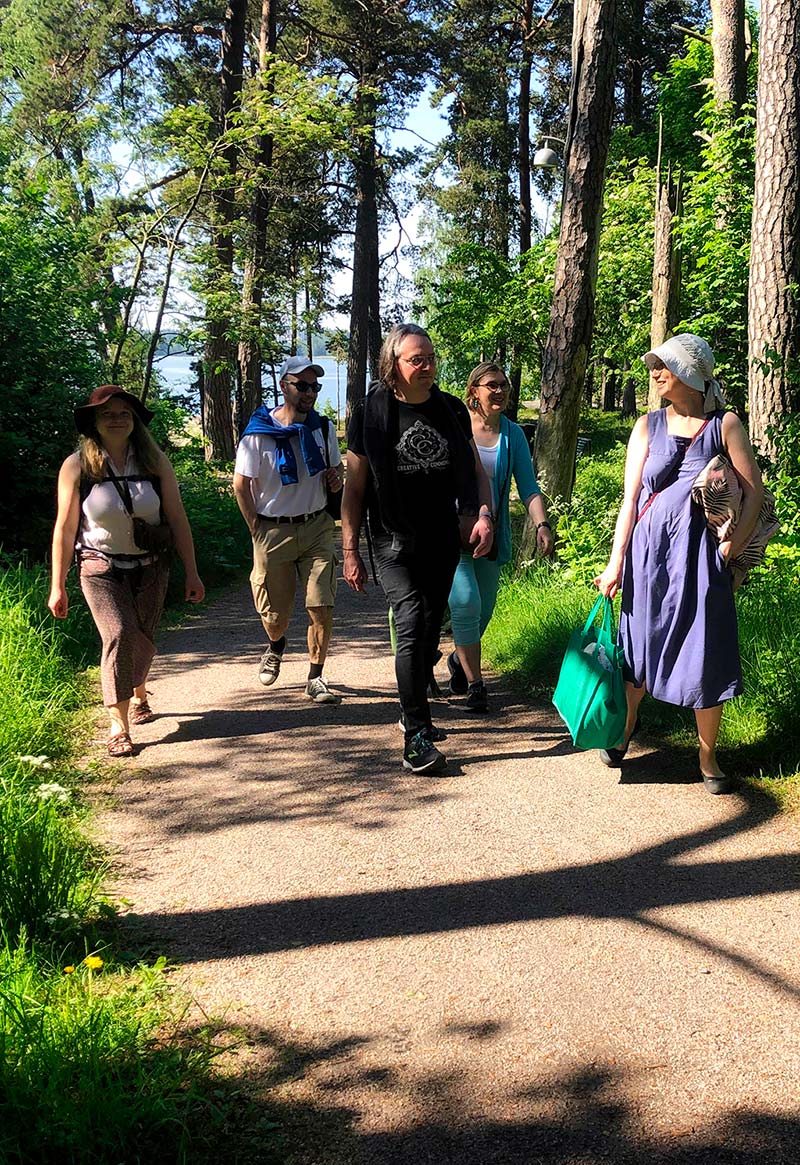
Research group at Seurasaari
Contradiction at the core of utopia
Utopia is contradictory at its core: hope for the better is combined with the notion of the impossibility of an alternative, better world.
The concept of Utopia can be traced to the early 16th century and was coined by Thomas More as pun on good place/no place in his classic novel, situated in the fictitious Island of Utopia. Since then, utopias have carried the self-contradictory double meaning of being simultaneously desirable and impossible.
Utopias have given way to practical thinking and realism. After the fall of the Berlin Wall, political scientist Francis Fukuyama declared that history has ended.
However, this historical phase was short lived. The environmental crisis, the economic crises, and the recent world political events show that continuing the current way of life is also a utopia. People desire for alternatives; hope for the possibility of an alternative world has grown in Western countries.
During the Covid-19 pandemic, we saw changes in Nature and societies that were hard to imagine possible before the pandemic. The amount of air traffic has decreased radically and Nature has recovered in many of the most polluted corners of the world. However, even these changes were not enough. In order for the planetary boundaries not to be crossed, further and even more fundamental changes are needed at all levels of society.
Are utopias unrealistic wishful thinking or pies in the sky? Many of the things taken for granted, such as the five-day work week or women’s right to vote, have been utopias in their time. Recent proposals for concrete utopias include, for example, basic income, participatory budgeting or the Wikipedia dictionary. According to sociologist Erik Olin Wright, these are examples of concrete steps towards equal societies and genuine democracy. Similarly, the Black Lives Matter movement has brought about significant changes in the public debate in a short time.
Are utopias dangerous? Critics have rightly stated that we don’t need more totalitarian blueprints for ideal societies. Ruth Levitas, a sociologist who studied utopias, redefines utopia. For her, utopias are not about a goal, but about a method which allows exploration of even radical alternatives to current lifestyles and ways of organizing things. A good utopia should be regarded as partial and provisional, as well as open to criticism and debate.
The recognition of the partiality and reflexivity of utopian imagination is also central for dealing with the risks of utopias, for example, the violent imposition of utopias on others. In contrast to the common notion of utopia as a perfect or near-perfect world, we find it more useful to think of utopian projects as the ubiquitous aspects of everyday life from which the research draws. For example, we have to ask, whose utopias are presented in the public debate and whose utopias are strengthened? Whose interests do utopias serve, and from whose point of view are the better worlds presented as improvements?
Research Group
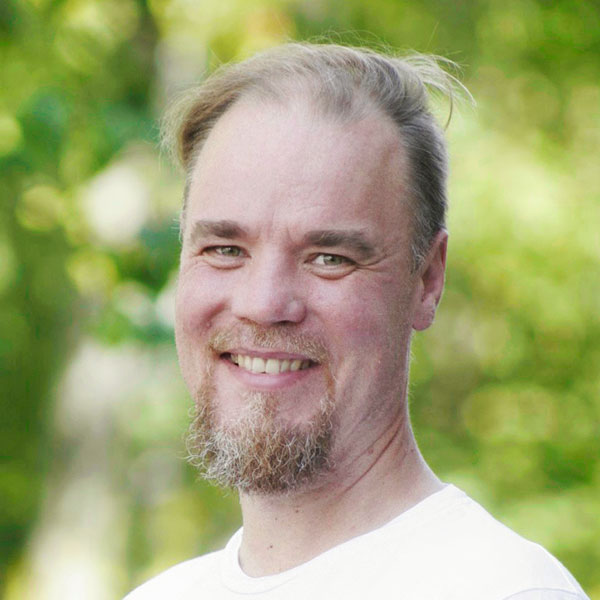
Antti Rajala
LEADER OF THE RESEARCH GROUP, Professor (UNIVERSITY OF Neuchâtel)
Antti Rajala, Ph.D, is Professor of Sociocultural Psychology and Education at the Institute of Psychology and Education, University of Neuchâtel. Rajala’s research interests include utopias in education, environmental education, global education, as well as learning, agency, and civic engagement. He is an experienced research leader and has been a leader/co-leader of several research projects. Rajala is Co-Editor of Mind, Culture & Activity (Taylor and Francis), Associate Editor in European Journal of Psychology and Education (Springer).
Pihla Soinnunmaa
DOCTORAL RESEARCHER (UNIVERSITY OF HELSINKI)
Pihla Soinnunmaa is doctoral researcher in the Doctoral Programme in Interdisciplinary Environmental Sciences in University of Helsinki. Her PhD study is on the topic of sustainability education. As part of her research, Pihla develops pedagogical tools for promoting systemic thinking and life-centric values in teaching. She works in the Pedagogy of Concrete Utopias project. She is also environmental educator and belongs to the Kudelma network of sustainability scientists.
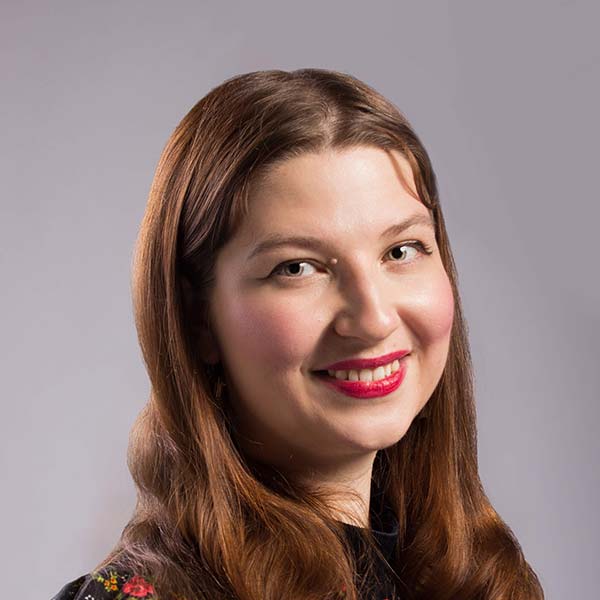
Riikka Suhonen
DOCTORAL RESEARCHER (UNIVERSITY OF HELSINKI)
Riikka Suhonen is doctoral researcher in the Doctoral Programme in School, Education, Society and Culture in University of Helsinki. Her PhD research is about understanding and applying global citizenship education in vocational education. Riikka is particularly interested in youth civic engagement and controversial issues in education, as well as examining the tensions between the promotion of pluralistic perspectives and the creation of safer spaces for learning. Riikka’s research interests reflect her earlier studies in humanistic and social sciences (African Studies and Global Development Studies) as well as work experience within development cooperation, global education, and internationalisation in education.
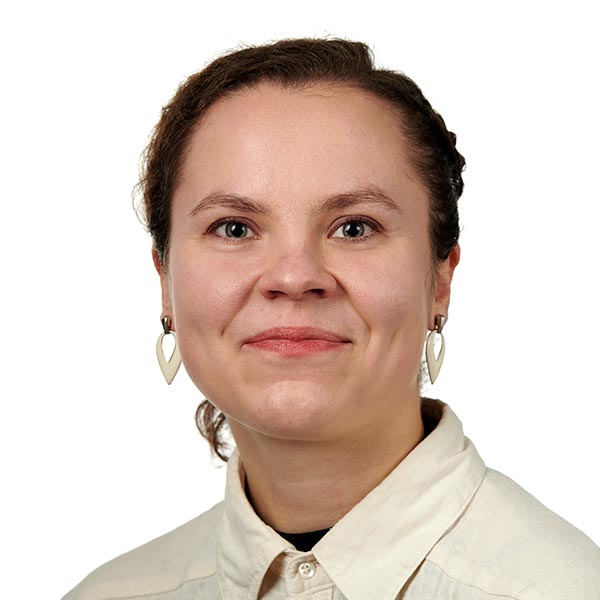
Paula Ahola
DOCTORAL RESEARCHER (UNIVERSITY OF HELSINKI)
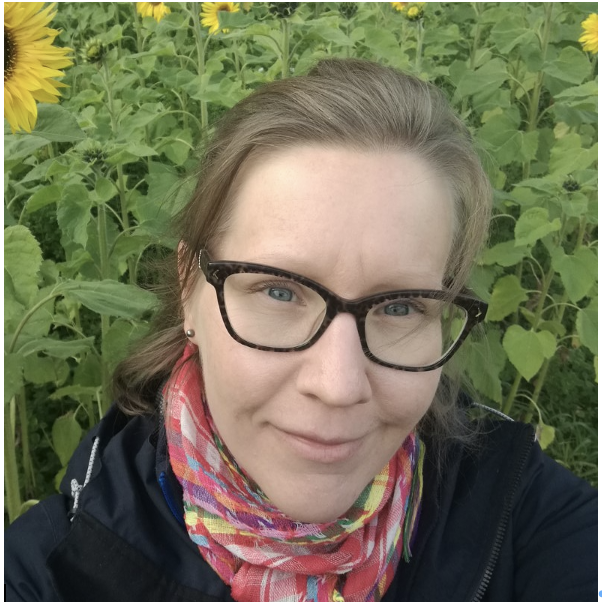
Selja Koponen
DOCTORAL RESEARCHER (UNIVERSITY OF HELSINKI)
Selja Koponen is doctoral researcher in the Doctoral Programme in School, Education, Society and Culture in University of Helsinki. In her PhD research she studies participation and agency in relation to socially sustainable future. Selja is interested in co-research and participatory action research with youth. Other area of interest is possibilities of deliberative democracy in basic education. Selja has a background in social ethics and has been working with children and youth over 10 years.
Camille Naef
DOCTORAL RESEARCHER (UNIVERSITY OF Neuchâtel, UNiversity of Applied sciences and artS, western Switzerland)
Camille Naef is a PhD student at the Transdisciplinary Institute of Social Work at the University of Neuchâtel. Her research focuses on the emergence and evolution of ecosocial practices in communities affected by climate-related disasters, and on the engagement of social workers in interdisciplinary collaborations with diverse stakeholders. Camille, a social educator by training, explored how social workers perceive and represent sustainable development within their practice in her master’s thesis in social work.
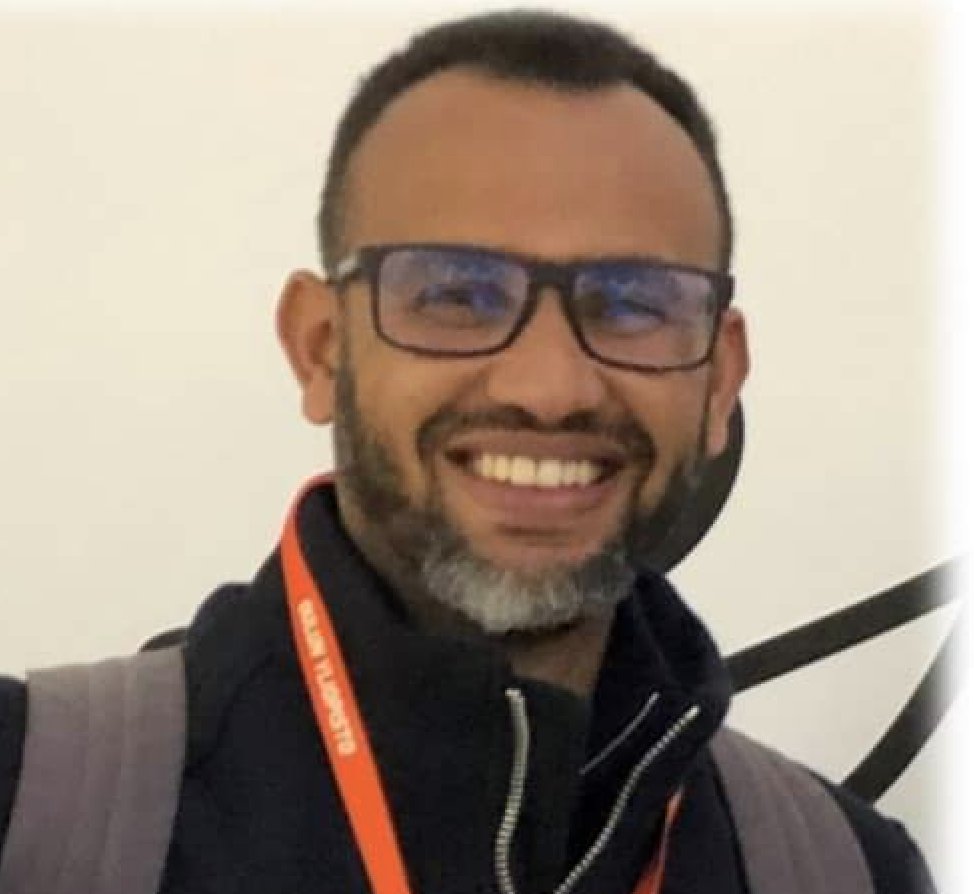
Khalid Idris
Teacher educator, Doctoral researcher (Asmara college of education, Eötvös Loránd University, UNIVERSITY OF Oulu)
Khalid Idris is a teacher educator at Asmara College of Education, Eritrea. He has over 18 years of college teaching experience in Eritrea. His research interest include professional learning of university-based teacher educators, collaborative action research, self-study research, and language education in multilingual contexts. He has collaborated with national and international scholars in publishing works on the stated fields of study. He is completing a doctoral research at the university of Oulu, Finland. He is currently involved in researching a capacity development project on higher education pedagogy among Finnish and Rwandan universities as part of a doctoral program at Eötvös Loránd University, Hungary.
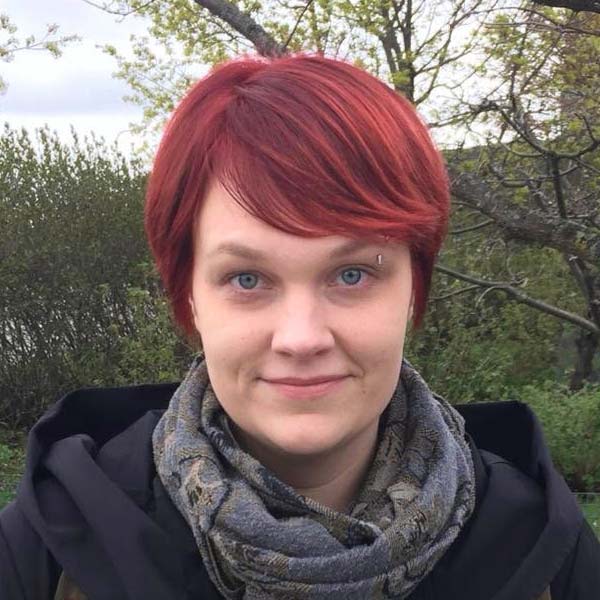
Emma Kurenlahti
DOCTORAL RESEARCHER (UNIVERSITY OF HELSINKI)
Emma Kurenlahti is doctoral researcher in University of Helsinki in the Faculty of Educational Sciences. She works in the project Children’s grief and grieve in institutional early childhood education, funded by Academy of Finland. Emma’s research interests concern moral education. In particular, she is interested in researching compassion, evil, and emotions in the era of eco crisis. In addition to her research work, Emma is active in applying and disseminating her research findings among environmental and sustainability educators and practitioners working on those topics.
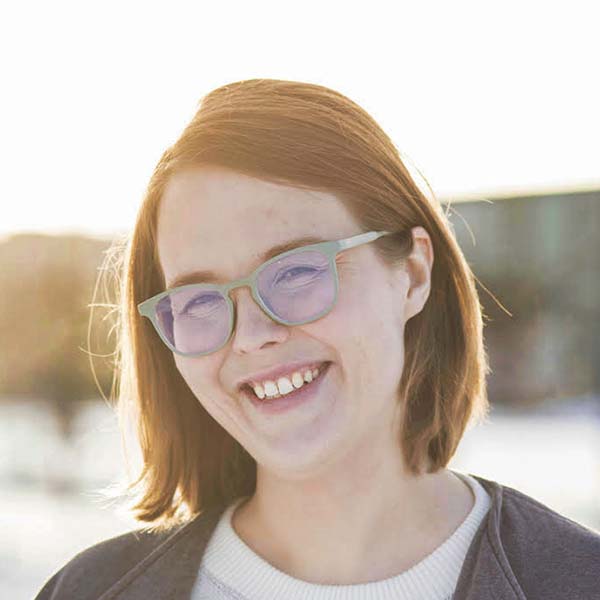
Sara Peltola
DOCTORAL RESEACHER, UNIVERSITY TEACHER (UNIVERSITY OF JYVÄSKYLÄ)
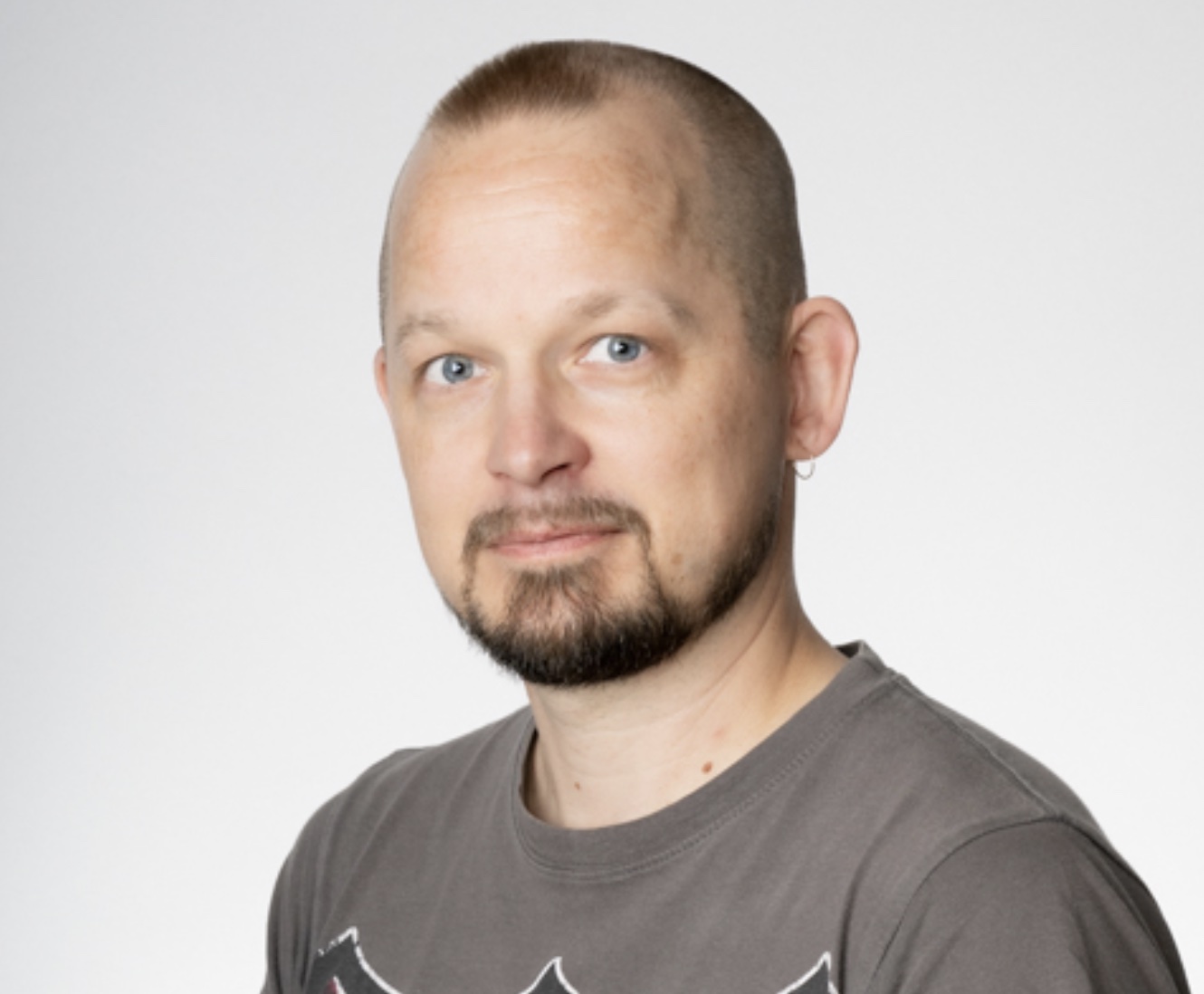
Jussi Mäkelä
University teacher (University of Eastern Finland)
University teacher in visual art education Jussi Mäkelä is highly interested in figuring out the right size of the human and in world-centered thinking. In his dissertation project Jussi is studying artistic experience as a possible key to a multispecies ontology. Also, under scrutiny is whether systemic wisdom together with imaginativeness could serve as a starting point toward realizing utopias.
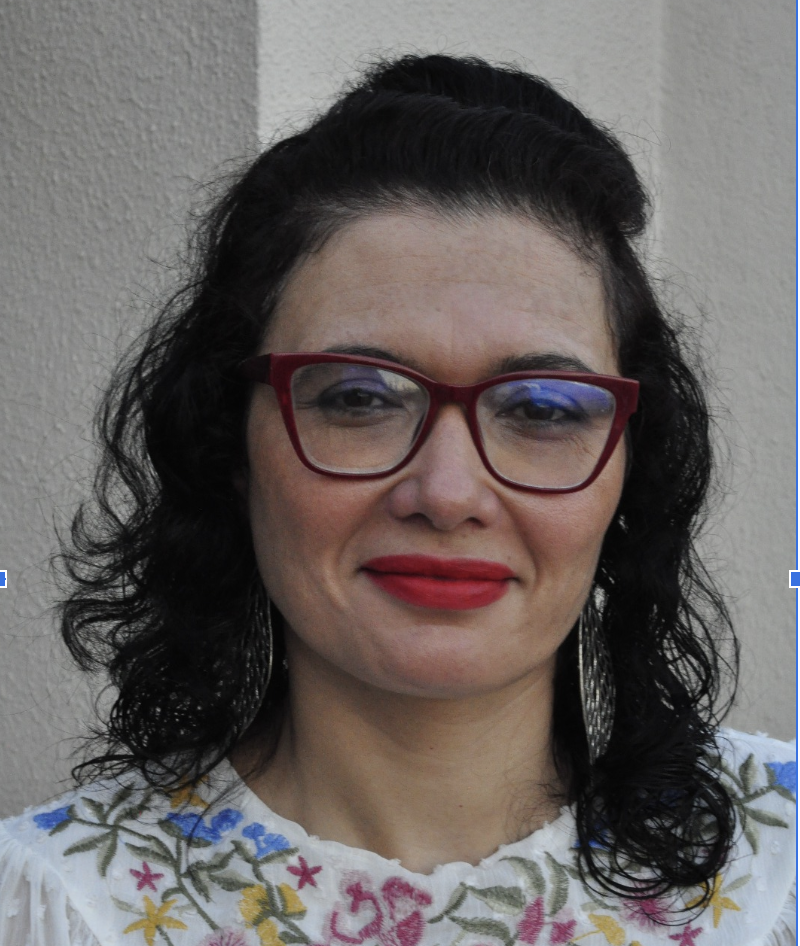
Monica Lemos
postdoctoral researcher (University of Helsinki)
Monica Lemos is a post-doctoral researcher in the research project ECO-YOUNG – Ecologies of learning for climate transformations in the lives of Finnish, Senegalese, and Brazilian young people. The project is funded by the Kone foundation 2025-2028 and is based at the University of Helsinki and University of Neuchâtel. She holds a Ph.D. in Cognition, Learning, Instruction and Communication at the Center for Research on Activity and Development and Learning- University of Helsinki (2022) and a Master degree in Applied Linguistics, at at the Pontifical Catholic University of São Paulo (PUC-SP). In the project, Lemos will be affiliated with University of Helsinki and is responsible for the fieldwork carried out in Brazil. She is a pedagogical coordinator at Colégio Rio Branco, in São Paulo. She contributes as a researcher for the Language and Activity in Educational Context, Pontifical Catholic University of São Paulo, and Workers’ Health, University of São Paulo, research groups. She also works as a visiting scholar at University of Girona, working with youth and climate justice in contexts of precarity. Her scholarly interests are Cultural-Historical Activity Theory, Formative Interventions, Teachers’ education and Ecological Justice. Lemos serves in a team of editors in Mind Culture and Activity- An International Journal (Taylor and Francis) and as a co-chair for the Special Interest Group on Cultural Historical Research in the American Education Research Association.
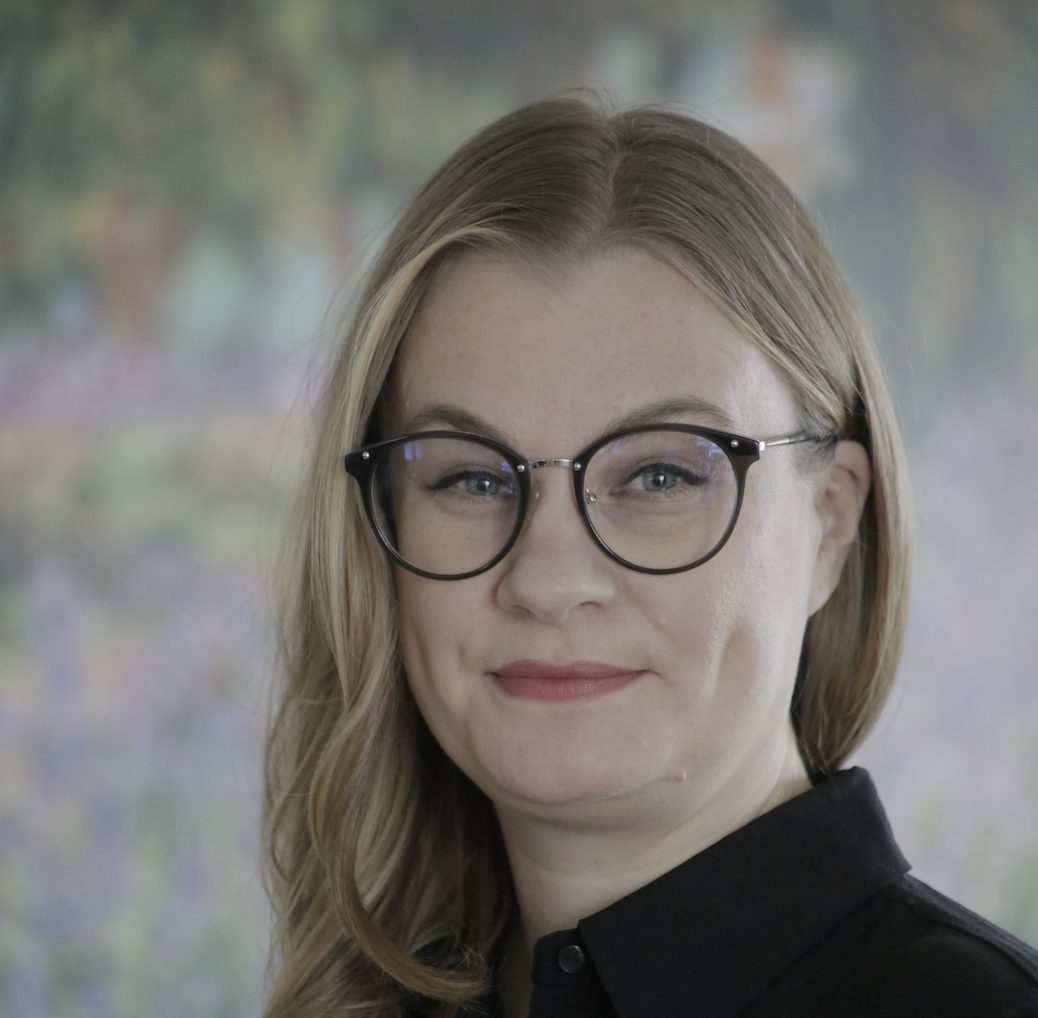
Eleonora Lundell
postdoctoral researcher (University of Neuchâtel)
Eleonora Lundell, PhD, is a post-doctoral researcher in the research project ECO-YOUNG – Ecologies of learning for climate transformations in the lives of Finnish, Senegalese, and Brazilian young people. The project is funded by the Kone foundation 2025-2028 and is based at the University of Helsinki and University of Neuchatêl. Lundell holds a PhD in Doctoral Programme in Political, Societal and Regional Changes (2023), and a Master degree in the Study of Religion, University of Helsinki. In her postdoctoral research Lundell studies how youth learn about and respond to the climate crisis in contemporary rural and urban Senegal. Lundell is interested in ‘learning’ as situational processes of knowledge (dis)encounters that are framed by socio-economic and epistemic power structures in the post-colonial contexts. Lundell’s research approach draws from her background in researching Brazilian religious and Afro-Indigenous epistemologies, and more generally from her fascination in Southern and decolonial theories and methodologies, ontological anthropology, audiovisual ethnography, and posthumanist theories.
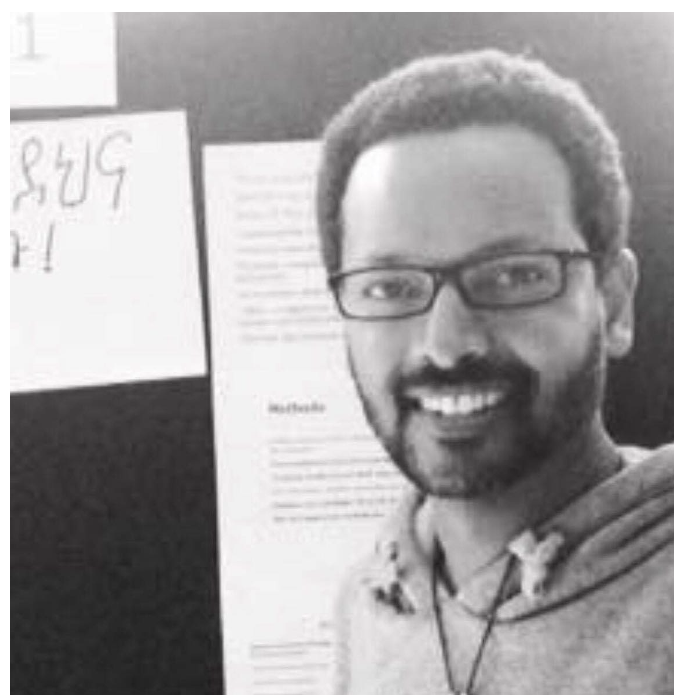
Yared Demssie
postdoctoral researcher, Assistant professor (UNiversity of Oulu, Addis Abeba University)
Yared Demssie is an Assistant Professor of Sustainability Studies at Addis Ababa University, in Ethiopia and a postdoctoral researcher (studying Global Responsibility to Act Sustainably as Students) at the University of Oulu, in Finland. Yared received his PhD from Wageningen University & Research (The Netherlands). His studies focus on sustainability competence, indigenous knowledge, education for sustainable development, systems thinking, social sustainability, and integrating diverse worldviews for sustainability competence development. Yared was an Affiliate Faculty member at Idaho State University, in the United States of America and a Guest Lecturer at Wageningen University. He has experience in university teaching, research supervision, program coordination, consultancy, national curriculum preparation, and conference organizing by collaborating with (inter)national organizations.
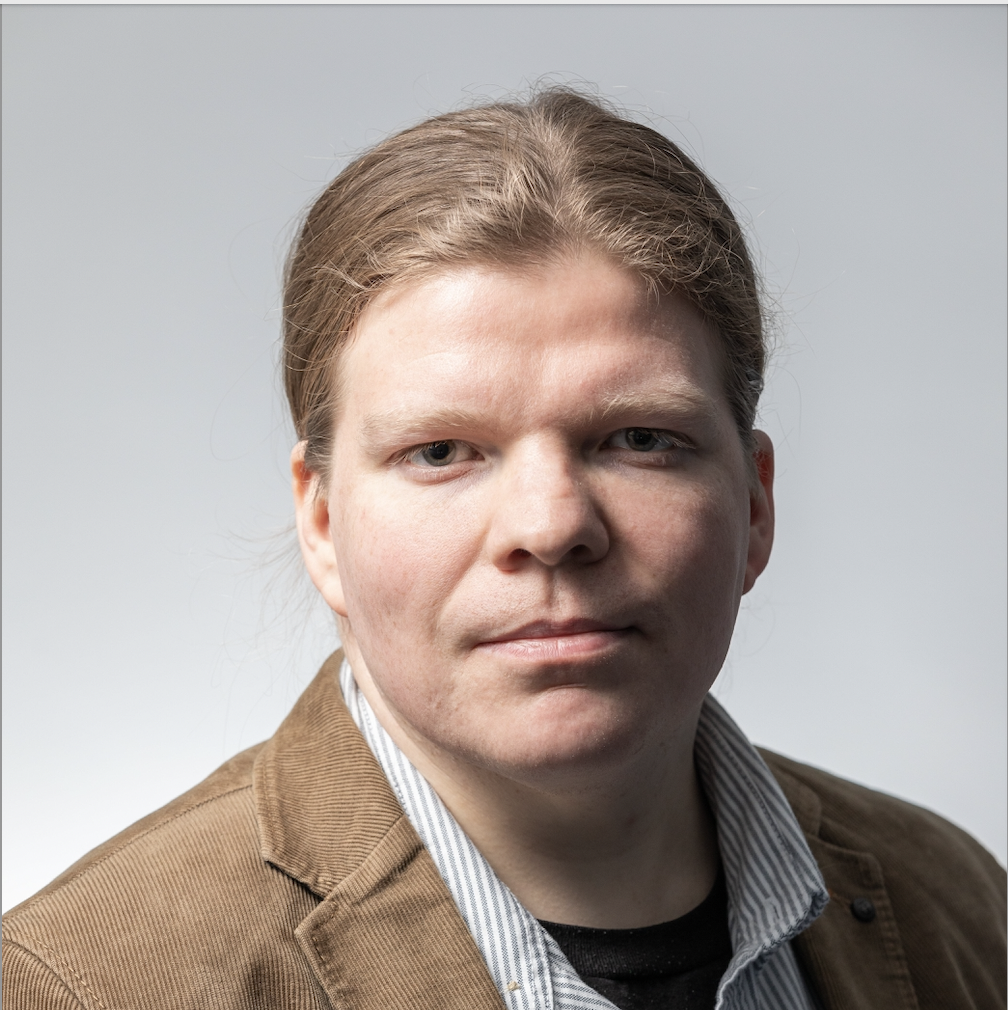
Keijo Lakkala
UTOPIA PHILOSOPHER, postdoctoral researcher (University of Lapland)
Keijo is a utopian philosopher working currently at University of Lapland, Rovaniemi. Keijo has translated sociologist Erik Olin Wright’s work (most recent translation being Wright’s last book How to be an Anticapitalist in the 21st Century).
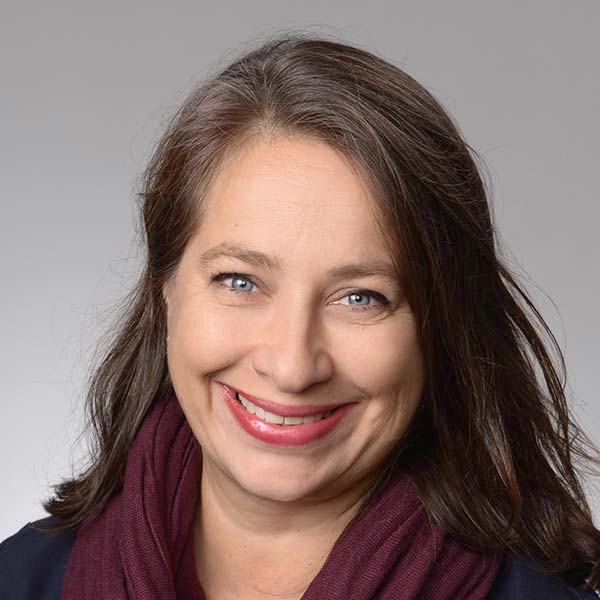
Ilona Taimela
Educational consultant
Ilona Taimela, MA in education sciences, has acted as a primary school teacher and teacher of history and ethics for over 20 years. Currently, she acts as teaching consultant in her company Ilmiömuotoilu (Phenomenom Design), which specializes on planetary design of global education and sustainable futures. She has worked as a researcher, in for example, University of Helsinki and University of Oulu. Her research has addressed the topics of recognition of prior learning, e-learning and ethics of global education. Before the Covid-19 pandemic, he worked as teaching consultant for the City of Helsinki. In this role, her responsibility areas included the city’s carbon neutrality program and fostering student participation. During the pandemic, secretly, she taught the children of ISIS fighters in the prison camp of Al-Hol through a mobile application. During the years 2021-2022 she acted as an expert in Sitra’s Sivistys+ [Bildung+] project, which discussed new directions for bildung. Currently, she is completing her studies in an MBA program around the topic of transformative change and participates in the Pedagogy of Concrete Utopias project as a researcher.
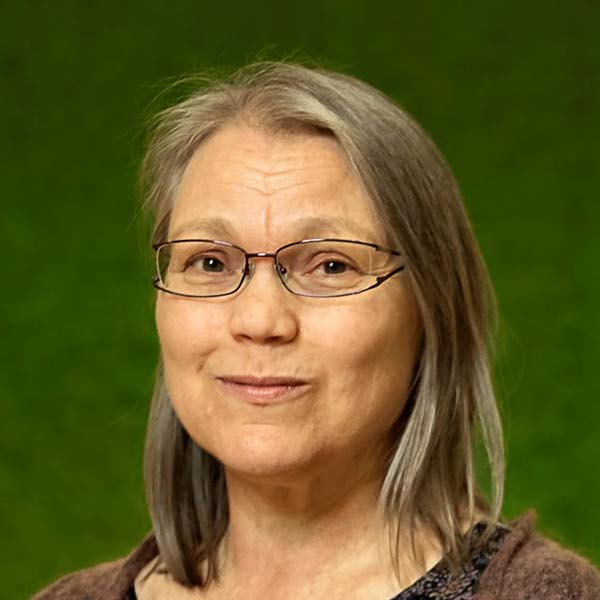
Elina Lehtomäki
Professor (University of Oulu)
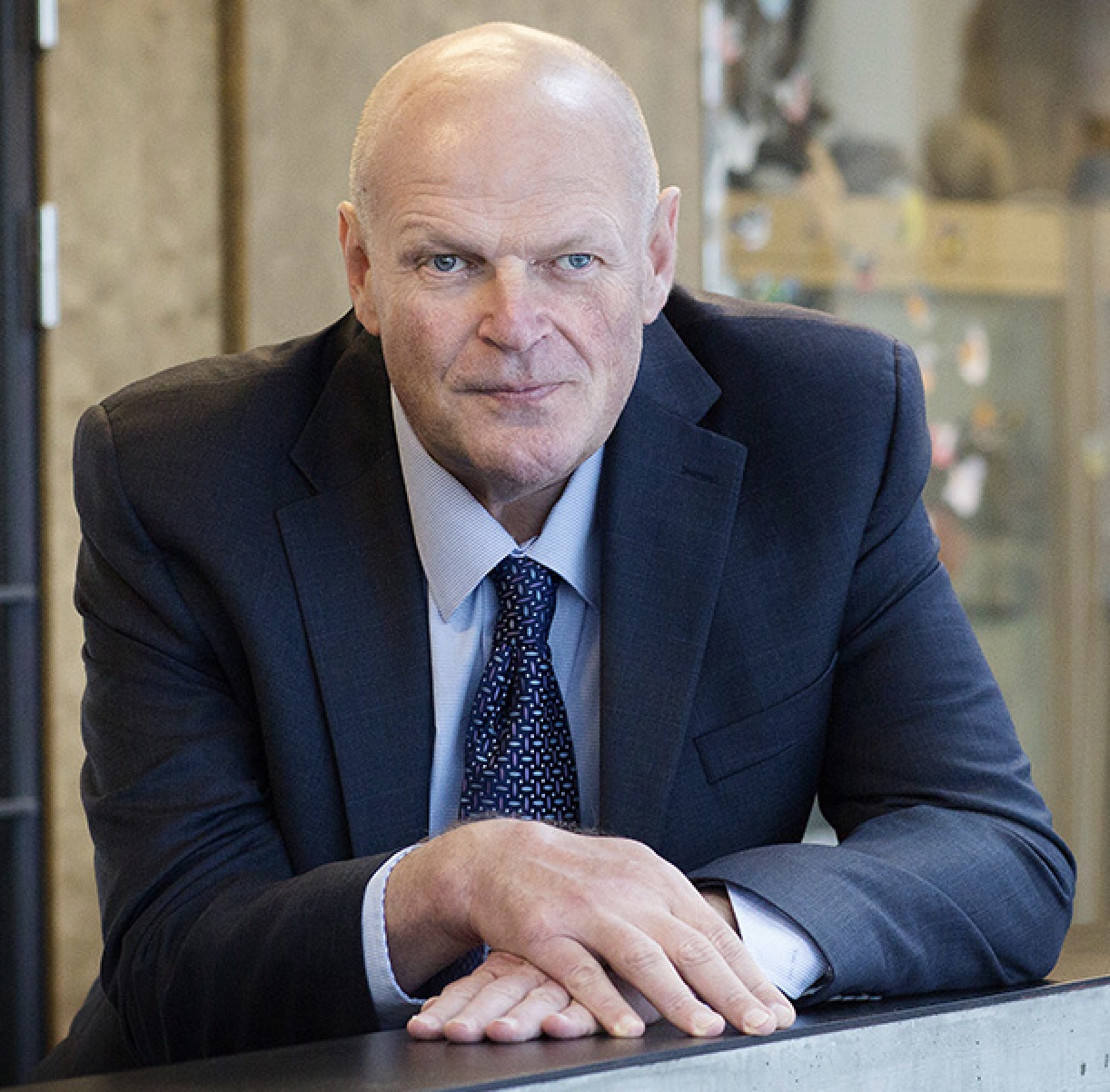
Arto Kallioniemi
Professor (University of Helsinki)
Arto Kallioniemi is a professor of religious education at the University of Helsinki He has conducted research work in the areas including teacher education, religious education and education for diversity. He has published over 250 pieces of different scientific papers. He has been as a member of curriculum repairing councils as national and university level. Arto Kallioniemi is specifically interesting issues related to developing curricula, teacher education and educational policy. He has been (since 2016) a member of Finnish League for human rights. Since 2018, Arto Kallioniemi has been as a UNESCO chair of values, dialogue and human rights. In UNESCO chair position, he will improve understanding of human values, promoting dialogue and increasing consciousness of human rights in fields of education. At the moment he is very interesting about the future of worldview education in Finland and have had several research and developmental processes in this issue.
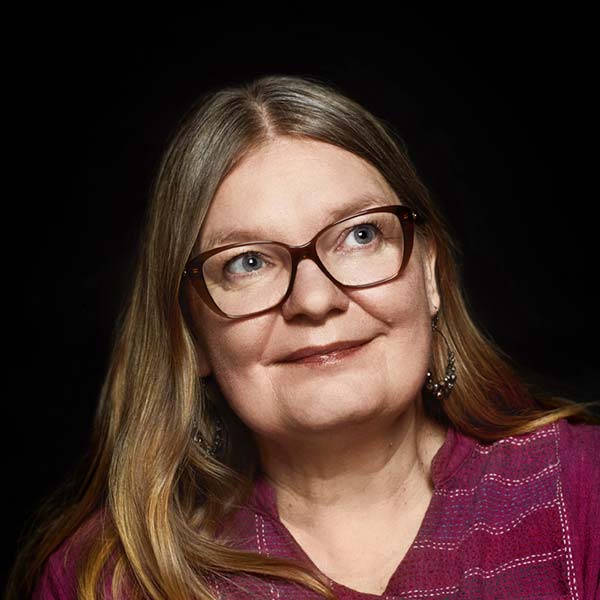
Hannele Cantell
University Lecturer (Helsingin yliopisto)
Hannele Cantell acts as teacher trainer in the University of Helsinki. Hannele is adjunct professor (Title of Docent) and her areas of research and teaching concern didactics of geography, sustainability education, global education, equity themes, and pedagogical interaction. Hannele’s activities have a big impact on the society, and she has been involved in developing Finnish National Core Curricula at various levels of education, during several decades. She has been the chair of the Teachers Without Borders network. Hannele is active and versatile publisher. In addition to scientific texts, her list of publications include text books and study material. In 2022, she published an auto-fictional essay collection on the topic of disability.
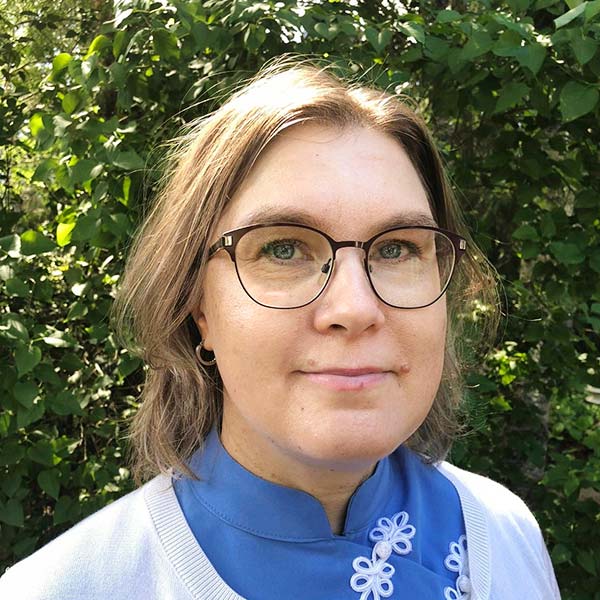
Kirsi Haapamäki
TEACHER (OTANIEMI UPPER SECONDARY SCHOOL), SUSTAINABILITY EDUCATOR
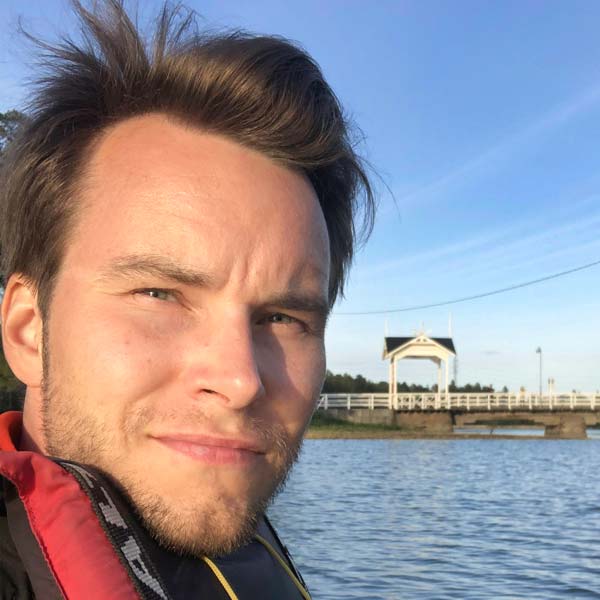
Antti Jauhiainen
Teacher (Kallio primary school), writer
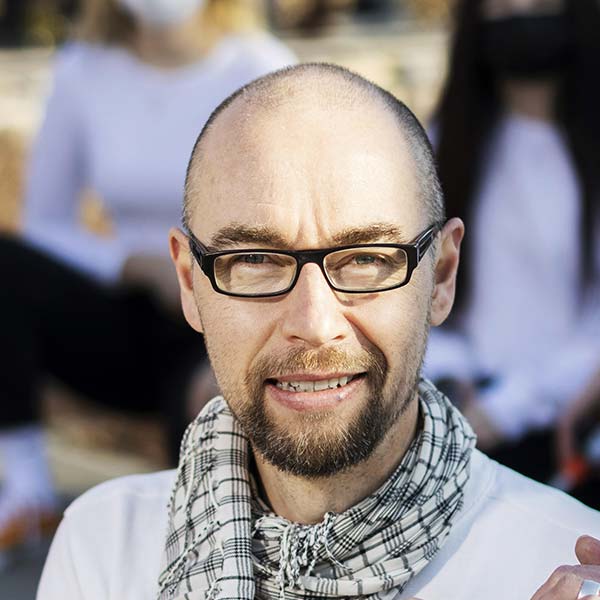
Jarmo Lehtinen
Teacher (Lempäälä high school), Founder of Ilmastosoturit
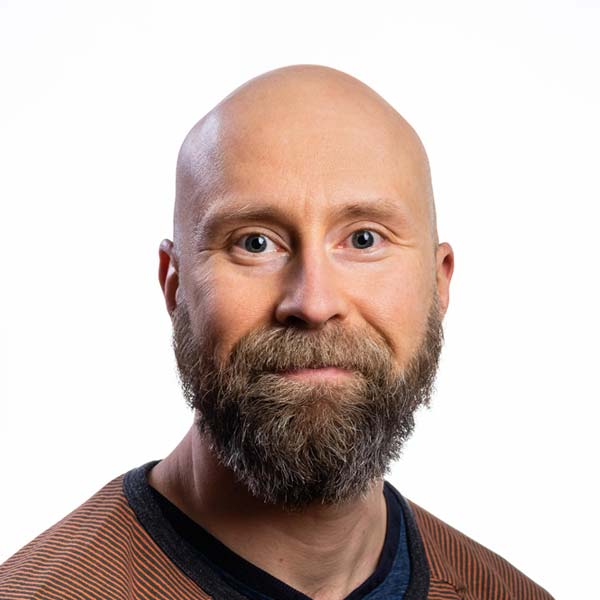
Tuomas Nieminen
Teacher (Parola high school), coordinator of the climate team
Tuomas Nieminen teaches philosophy, psychology, religion, and ethics in Parola Upper Secondary. Tuomas coordinates the student climate team in the school. The activity of the team is connected to the Pedagogy of Concrete Utopias project. In addition to his teaching work, Tuomas is working on a PhD dissertation in the University of Tampere that focuses on teacher activism. Tuomas is active debater and advocate in societal affairs who focuses on climate issues.
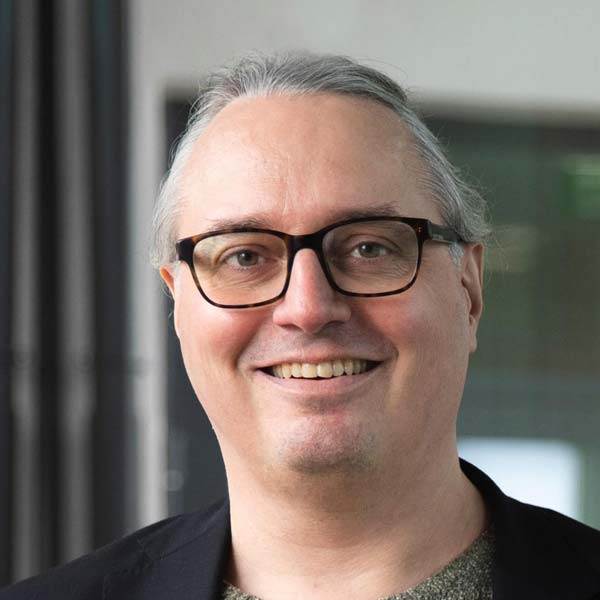
Aki Saariaho
Teacher (Otaniemi high school)